Answers
How reliable is photo calorie estimation?
A photo is the fastest way to log a meal and the least exact one.
Published by Barbaros Selim Büyükelçi, developer of better. We are not a neutral third party.Updated
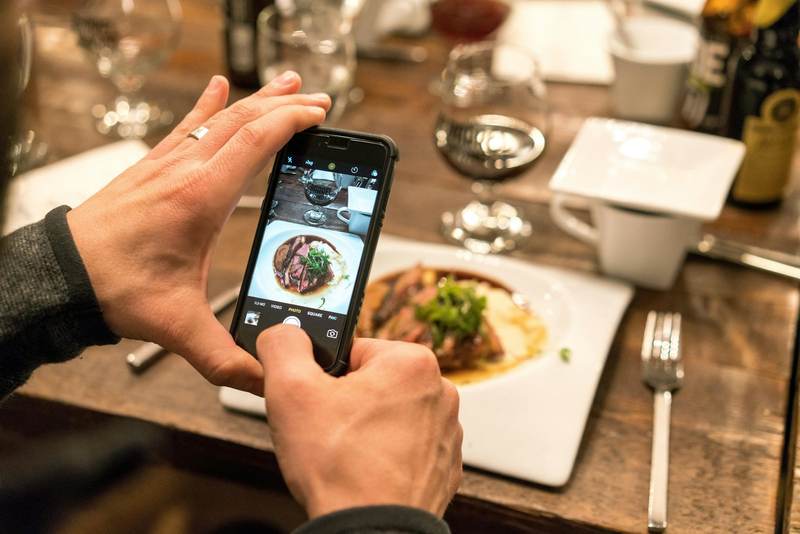
Less reliable than typing what you ate with amounts. Published studies of estimating calories from a single photo report typical errors of roughly 25 to 40%, and a preliminary 2026 test of four consumer apps found underestimation by about a third. A photo plus a quick correction of the portion is the practical middle ground.
Why photos are hard
A photo shows surfaces, not weights or what is under the sauce. Hidden oils, mixed dishes and unknown portion sizes are the usual causes of error. Even trained dietitians estimating from photos make large errors in published studies.
What helps
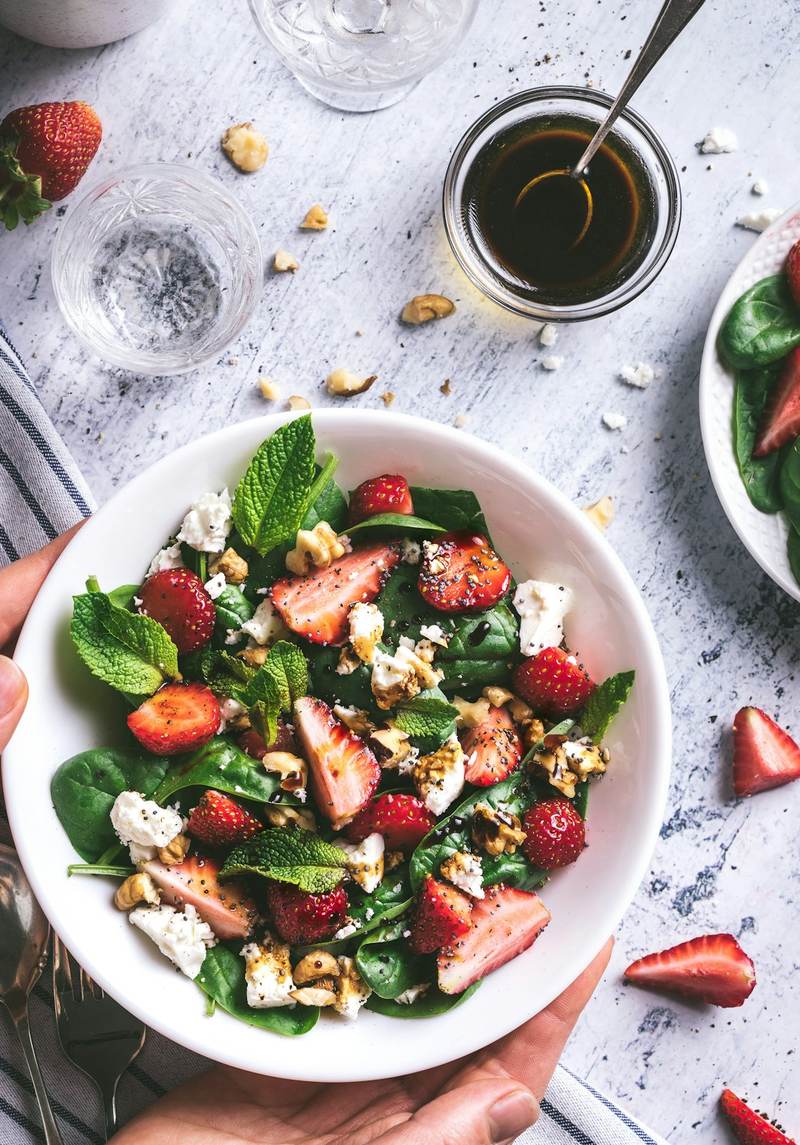
- A reference object or a known plate size
- Naming the dish and listing hidden ingredients
- Stating the portion
- Correcting the card before saving
How better. handles it
better. shows the estimate as a card with a source and a confidence level for each item. When a portion is unclear it asks, marks what it assumed, and your correction always wins. If the numbers contradict each other badly, it shows no number and saves nothing.
No estimate from a photo is exact.
Sources
- O'Hara et al. 2025, Nutrients 17(4):607 (calorie error about 27% from photos)
- Rodriguez-Jimenez et al. 2025, Nutrients 17(22):3613 (image-only MAPE about 30%, lower with description)
- NIH/NIDDK abstract at NUTRITION 2026 via MedicalXpress
- Zhou et al. 2018, Interact J Med Res 7(2):e17 (people misjudged photo calories by about 58% on average; nutrition experts did no better)
Download better. free on the App Store