How it works
How does better. count calories from a photo?
better. finds the foods and portions in your photo or description, looks up their nutrition values, and gives you an estimate you can correct. It is free to use. This page explains each step and when the estimate is likely to be off.
How it works
You log a meal
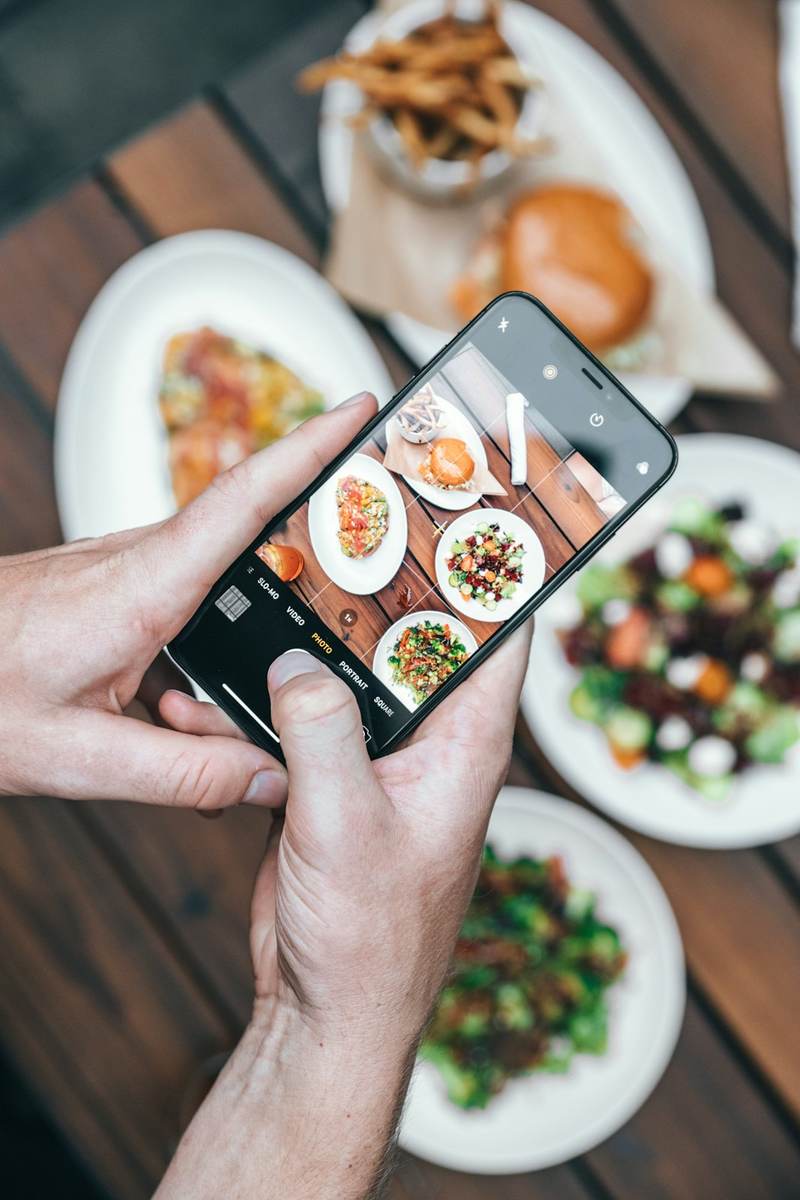
Take a photo, type a few words, say it, scan a nutrition label or scan a barcode. A photo can carry a short note.
Answer a few questions, if asked
If a portion is unclear, better. asks all its questions at once on one screen, at most five. Not sure? Choose that, and it assumes and says so.
Check the estimate
You see each item with its amount, calories, macros and where the numbers come from. Correct any amount and your correction wins. Cancelling is real: nothing is added to your day.
Save
Save the meal and see where it went. A half-finished meal comes back as a draft. Delete a meal and you can undo it for 60 seconds.
See your progress
Today shows your calories, macros and water. Close the day for a summary, then check your insights and your weekly review.
What happens to your photo or text?
Your photo is used to produce the estimate. It is not stored and it is deleted. Typed text and an optional note are sent to produce the estimate too. For a barcode, only the barcode number is sent. The request carries no user identity. A nutrition label is read on your device and never sent. More is on the your data page and in the privacy policy.
Where your data lives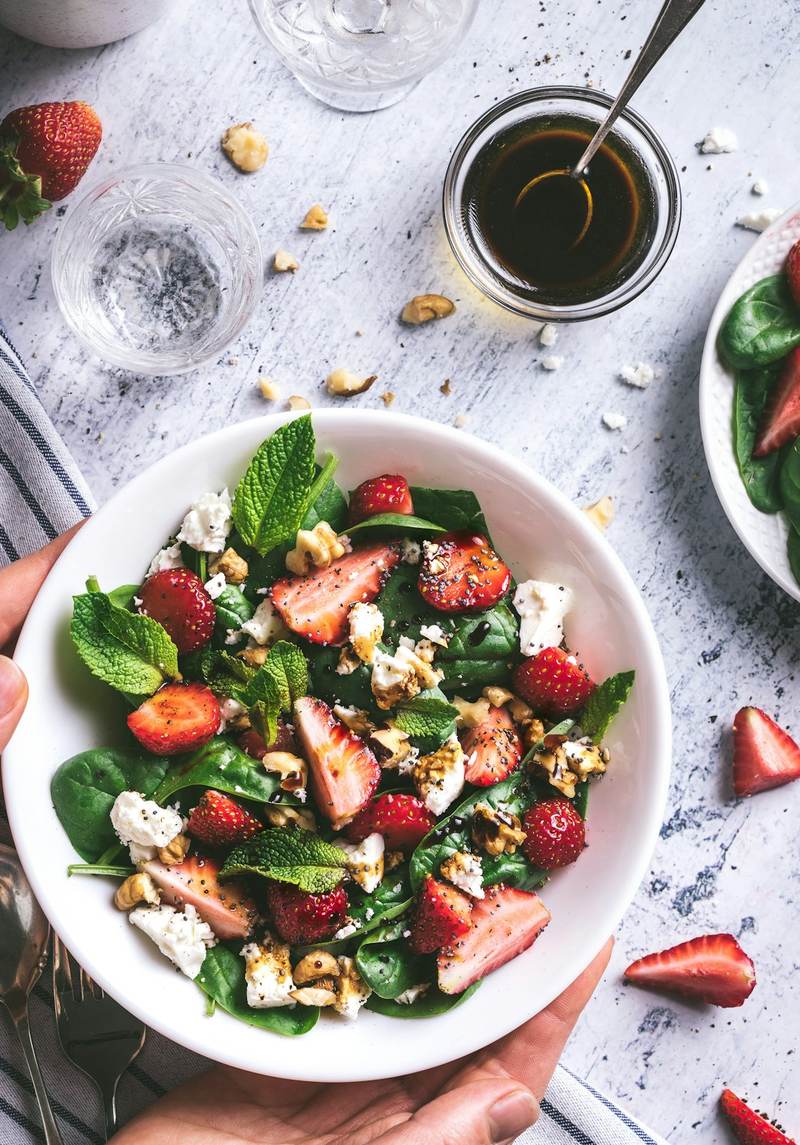
When is the estimate off?
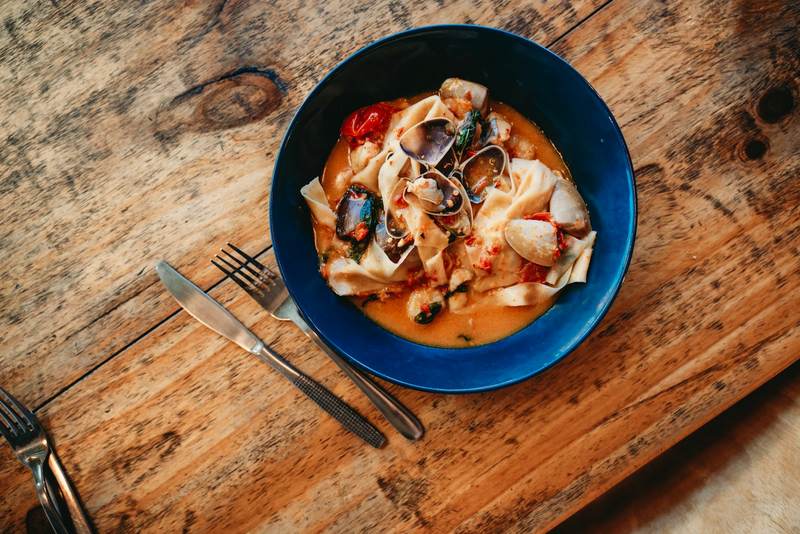
- Mixed and layered dishes such as stews, casseroles and sauces, where ingredients are hidden
- Oils, butter and dressings that do not show in a photo
- Portion size when there is no reference object or the plate is photographed at an angle
- Blurry, dark or partial photos
- Vague descriptions such as a salad or a sandwich
In these cases answer the questions, name the dish, or list the ingredients. If the numbers contradict each other badly, better. shows nothing instead of a wrong number. An estimate is an estimate, not medical advice.
Where does the nutrition data come from?
Nutrition values build on public food composition data. The full list of sources and the licence each one asks for is on the credits page.
See creditsHow are estimates tested?
Estimates are tested against meals with a known reference value. The method, the dataset and the date are on the accuracy page.
Accuracy
Download free on the App Store

Updated